
Kent and Medway physiotherapists highlight role in tackling physical health inequalities in mental health care
Date added: 08 September 2026
Last updated: 08 September 2026
Physiotherapists at Kent and Medway Mental Health NHS Trust are highlighting the important role physical activity and rehabilitation can have on people receiving mental health care.
The focus comes ahead of World Physiotherapy Day on 8 September, which this year shows how physiotherapy and physical activity can prevent manage or rehabilitate cardiovascular disease (CVD) and stroke. The annual campaign also begins a 4-year focus on noncommunicable diseases.
The issue is particularly important in mental health care. People living with mental illness face a substantially higher risk of developing cardiovascular disease and can experience mortality rates up to twice as high as the general population.
Within Kent and Medway Mental Health NHS Trust, physiotherapists support people with a wide range of physical health needs, including reduced mobility, balance problems, pain, muscle weakness and low exercise tolerance.
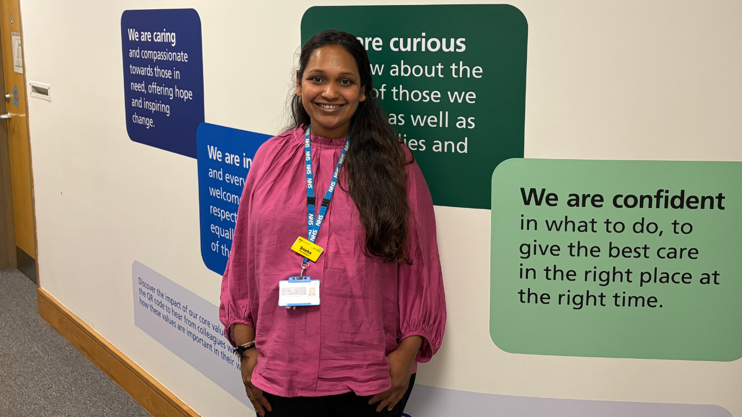
Their work can include assessing physical function, supporting people to become more active, developing personalised exercise and rehabilitation programmes, and helping people build confidence with movement.
The trust’s Allied Health Professions Plan identifies physiotherapists as having a lead role in health promotion and physical health, reflecting the importance of addressing physical health alongside mental health.
Kathryn Harris, Team Lead Physiotherapist at Kent and Medway Mental Health NHS Trust, said: “Physical and mental health are closely linked. Our role is about seeing the whole person and understanding what matters to them, whether that is managing pain, improving balance, building strength or becoming more confident with movement.
“Building trust is a big part of physiotherapy. We listen to people, understand what may be preventing them from being active and work together to set small, achievable goals. By making activity relevant to the individual, we can help people build confidence and become more independent.
“Progress looks different for everyone. Sometimes a small step can make a significant difference to someone’s independence, confidence and quality of life.”
Physiotherapists work alongside nurses, doctors, occupational therapists and other members of the multidisciplinary team. Support can include one-to-one rehabilitation, group exercise, mobility support, education and preparation for a safe discharge.
Morag Willis, Head of Physiotherapy for Acute at Kent and Medway Mental Health NHS Trust, said: “Our strategy, Doing well together, is about working together to provide joined-up care and supporting people to stay well and live well in their communities.
“Physiotherapy is an important part of this approach, helping us to recognise and address physical health alongside mental health. By working across professional boundaries and focusing on what matters to each person, we can support recovery, independence and a positive experience of care.”
The work highlights the importance of addressing physical health inequalities as an integral part of mental health care.


