A place to remember: Kent brings families together during Baby Loss Awareness Week
Date added: 14 October 2026
Families across Kent are being given dedicated spaces to remember babies who have died, as Kent and Medway Mental Health NHS Trust highlights the lasting impact of baby loss and the support available to bereaved parents.
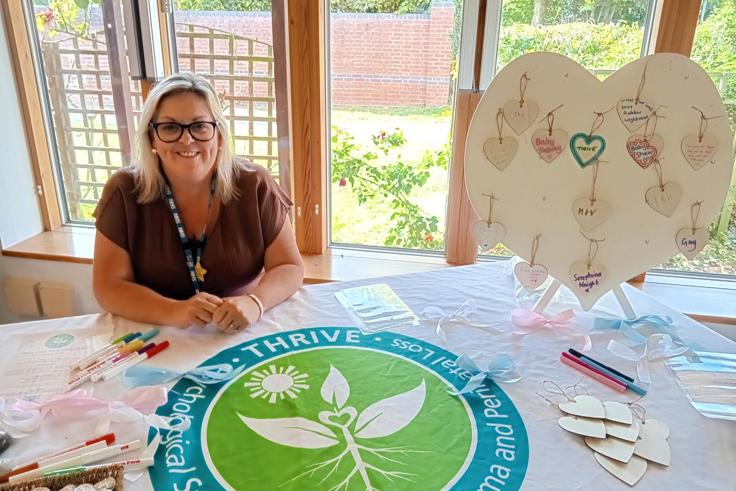
To mark Baby Loss Awareness Week (9 -15 October), the trust’s Maternal Mental Health Service, known locally as Thrive, has created remembrance spaces at 8 locations across Kent, bringing communities together to honour babies who died too soon and help families feel less alone in their grief. The remembrance spaces have been designed to offer a gentle, voluntary and supportive way for people to remember their babies and connect with others if they choose to.
The spaces can be found at The Vine in Sevenoaks, Dunorlan Park and the Sands Memorial Garden in Tunbridge Wells, Goldford Crematorium in Cranbrook, Windmill Hill Memorial Garden in Gravesend, Darrent Valley Hospital in Dartford, The James David Memorial Garden, Smarden Burial Ground and NHS Kent and Medway’s Eastern & Coast Area Office in Canterbury.
Baby Loss Awareness Week can bring up many different emotions, including sadness, anger, numbness, relief, longing or mixed feelings. There is no right or wrong way to experience grief.
Grief following loss is unique to each person, and remembrance can be an important part of acknowledging and honouring that experience.
Visitors have been invited to create hearts of remembrance with their baby’s name or a personal message, and add ribbons as tributes. Together, these contributions form shared displays of love, loss and remembrance, reflecting the continuing bonds families have with babies who are deeply missed.
Behind the initiative is a recognition that baby loss can have a profound and lasting impact on parents, partners, wider family members and communities in different ways. Research indicates that half of UK adults have either experienced pregnancy or baby loss themselves or know someone who has.
For Dionne, a Thrive Peer Support Worker, the importance of remembrance spaces is deeply personal. After her son James died, she helped raise funds for a memorial garden in Smarden, creating a place where bereaved families could reflect and remember.
She said: “When my son died, I felt completely lost. I wanted to find a way to navigate my grief and find a way forward while keeping James at the centre of my life and memories.
I started therapy and joined support groups and realised how much I appreciated spending time with others who had experienced the loss of a baby.
“Having someone who understands can make a real difference at a time when many people feel isolated and overwhelmed.”
Thrive supports people who continue to experience symptoms of post-traumatic stress disorder (PTSD) following perinatal trauma or baby loss, combining specialist clinical expertise with the understanding of people with lived experience.
Dr Athena Duffy, Consultant Clinical Psychologist for Kent and Medway Mental Health NHS Trust, said: “These remembrance spaces are about helping families know they are not alone. Baby Loss Awareness Week gives us an important opportunity to acknowledge bereaved families’ experiences and raise awareness of the support available.
“We are committed to helping people access compassionate, evidence-based care, whether through specialist therapy, peer support or opportunities to connect with others who understand.”
Anyone affected by baby loss or perinatal trauma who would like support is encouraged to reach out. Help is available, and no one has to navigate the impact alone.
Where to get help
Thrive supports mothers and birthing people who have previously received therapy for perinatal trauma or baby loss but continue to experience symptoms of post-traumatic stress disorder (PTSD).
Thrive accepts referrals from health or social care professionals involved in a person’s care, such as a midwife, obstetrician, GP, counsellor or therapist. Self-referrals cannot be accepted.
If you have not previously received therapy, speak to your GP or visit:
- NHS Talking Therapies
- Kent NHS Psychosexual Therapy Service
- Making Miracles
- Petals
- Twins Trust
- The Lullaby Trust
- East Kent Hospitals Women’s Counselling Service