
Occupational therapy initiative delivers breakthrough in self-harm reduction
Date added: 11 December 2025
Last updated: 11 December 2025
A pilot improvement project led by occupational therapists and aimed at reducing self-harm among women in acute mental health wards has delivered significant results at Kent and Medway Mental Health NHS Trust, with incidents falling by up to 64%. This success has prompted the trust to roll out the initiative across all services.
The project, known as the Minimal Risk Activity Pack (MRAP), was designed to help reduce self-harm by giving patients safe, calming and meaningful activities. During the 16-week pilot at Priority House in Maidstone, Upnor Ward recorded a 47% reduction in self-harm, while Chartwell Ward reported a 64% drop. MRAP will now be built into routine therapeutic care across the trust.
The idea was developed by Occupational Therapy Apprentice Kate Merlini-Moorcroft, who presented it to the trust’s internal innovation programme, The Innovation Den, which invites staff to share practical ideas to improve patient care.
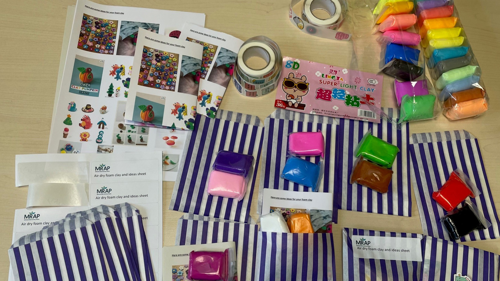
Kate created MRAP after listening to female patients who had engaged in self-harm behaviours. Many told her they often felt worthless, especially when they first arrive in hospital and face an unfamiliar environment. The pack includes activities such as simple arts and crafts, and self-care items like face masks and lip balm.
Kate said:
“Patients told us that self-harm often comes from feeling low, empty or out of control. The activity packs give women something positive to do when they need it most. The self-care items help build self-worth and remind people that they deserve kindness. It’s a small change that can make a big difference.”
Self-harm incidents can be distressing for both patients and staff and can increase the risk of serious injury or suicide. By offering calming, low-risk activities at difficult moments, MRAP helps patients re-focus and regain a sense of control when they feel overwhelmed.
Chelsey Wahoviak, Improvement Practitioner and Co-Lead of The Innovation Den, said:
“Since introducing MRAP on two female acute wards, we’ve seen a strong and lasting reduction in self-harm over 16 weeks. We also saw fewer restrictive practices than usual, which meant patients had a safer, more positive experience. The results are very encouraging, and we are now working on rolling out MRAP across the trust so more services can benefit.”
Following the success of the pilot, MRAP will now be adopted across the trust as part of everyday therapeutic care, supporting patients’ safety, dignity and recovery.