
New system-wide training to strengthen dementia diagnosis in primary care
Date added: 13 February 2026
Last updated: 13 February 2026
GPs and primary care clinicians across Kent and Medway are being invited to attend a new training webinar designed to support more timely and consistent diagnosis of advanced dementia.
The session marks the next phase in the rollout of the Level 1 DiADeM (Diagnosis of Advanced Dementia Model) pathway, part of a wider system transformation programme led by the Kent and Medway Provider Collaborative in partnership with the NHS Dementia Transformation Team.
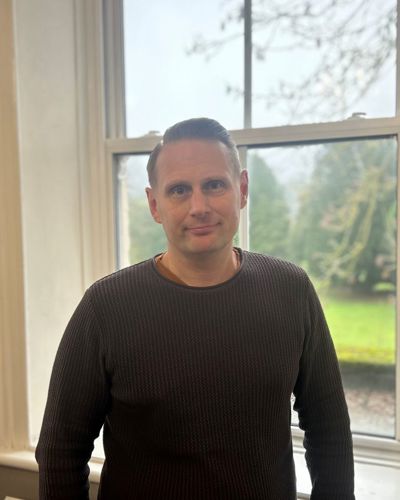
Mark Kitchingham, Nurse Consultant in Older Adults at Kent and Medway Mental Health NHS Trust, said: “This training gives clinicians practical confidence to use the DiADeM pathway appropriately and consistently. It strengthens collaboration with care homes and supports clearer, evidence-based decision-making in primary care.”
The webinar provides a practical, step-by-step guide to using the DiADeM tool. It covers when the pathway should be used, how care homes prepare structured pre-assessment information before contacting practices, what clinicians can expect to receive, and how the model fits within the wider Kent and Medway dementia pathway.
DiADeM is a structured clinical approach designed to support GPs in diagnosing advanced dementia in appropriate cases, particularly for people living in care homes. It enables decisions to be made using comprehensive background information, helping to ensure assessments are proportionate and aligned with NICE guidance.
The Level 1 training follows lived-experience engagement that highlighted inconsistencies in diagnostic timelines. One person told system leaders: “It took me over five years to get a dementia diagnosis.”
Another reflected: “It took me 2 and a half years to get a diagnosis; someone else got theirs in weeks. That’s a sign of serious inequality.”
Dr Adrian Richardson, Director of Transformation and Partnerships at Kent and Medway Mental Health NHS Trust, added: “This programme is focused on improving equity and quality in dementia diagnosis. Providing structured training and clearer pathways will support more consistent practice across the system.”
The webinar will be offered on multiple dates to accommodate practices across Kent and Medway. Please see the dates and links to register below for primary care workers and care home staff.
Primary Care - DiADeM Training Schedule
|
Area |
Date |
Time |
Webinar training invite (please click to register) |
|
East Kent Colleagues |
Friday, 27th Feb 2026 |
12:30-13:00 |
|
|
Friday, 27th Feb 2026 |
18:00-18:30 |
||
|
West Kent Colleagues |
Friday, 13th Mar 2026 |
12:30-13:00 |
|
|
Friday, 13th Mar 2026 |
18:00-18:30 |
||
|
Medway and Swale Colleagues |
Friday, 20th Mar 2026 |
12:30-13:00 |
|
|
Friday, 20th Mar 2026 |
18:00-18:30 |
||
|
Dartford, Gravesham and Swanley Colleagues |
Friday, 27th Mar 2026 |
12:30-13:00 |
|
|
Friday, 27th Mar 2026 |
18:00-18:30 |
||
|
All Areas - Systemwide Recap |
Friday, 24th Apr 2026 |
12:30-13:00 |
|
|
Friday, 24th Apr 2026 |
18:00-18:30 |
Care home - DiADeM Training Schedule
|
Area |
Date |
Time |
Webinar training invite (please click to register) |
|
East Kent Colleagues |
Friday, 27th Feb 2026 |
10:00–10:30 |
|
|
Friday, 27th Feb 2026 |
15:30–16:00 |
||
|
Medway and Swale Colleagues |
Friday, 6th Mar 2026 |
09:00–09:30 |
Medway and Swale Morning Session |
|
Friday, 6th Mar 2026 |
15:30–16:00 |
Medway & Swale Afternoon Session |
|
|
Dartford and Gravesham |
Friday, 13th Mar 2026 |
10:00–10:30 |
Dartford, Gravesham and Swanley Morning Session |
|
Friday, 13th Mar 2026 |
15:30–16:00 |
Dartford, Gravesham and Swanley Afternoon Session |
|
|
West Kent Colleagues |
Friday, 20th Mar 2026 |
10:00–10:30 |
|
|
Friday, 20th Mar 2026 |
15:30–16:00 |
||
|
All Areas - Systemwide Recap |
Friday, 24th Apr 2026 |
10:00–10:30 |
Systemwide Recap Morning Session |
|
Friday, 24th Apr 2026 |
15:30–16:00 |
Systemwide Recap Morning Session |
Resources and ongoing support will be provided to ensure consistent use of the DiADeM pathway, helping to reduce variation, improve timeliness of assessments, and strengthen collaboration between GPs and care homes.


