
New seal robot therapy pilot aims to transform learning disability outpatient experience
Date added: 07 May 2026
Last updated: 07 May 2026
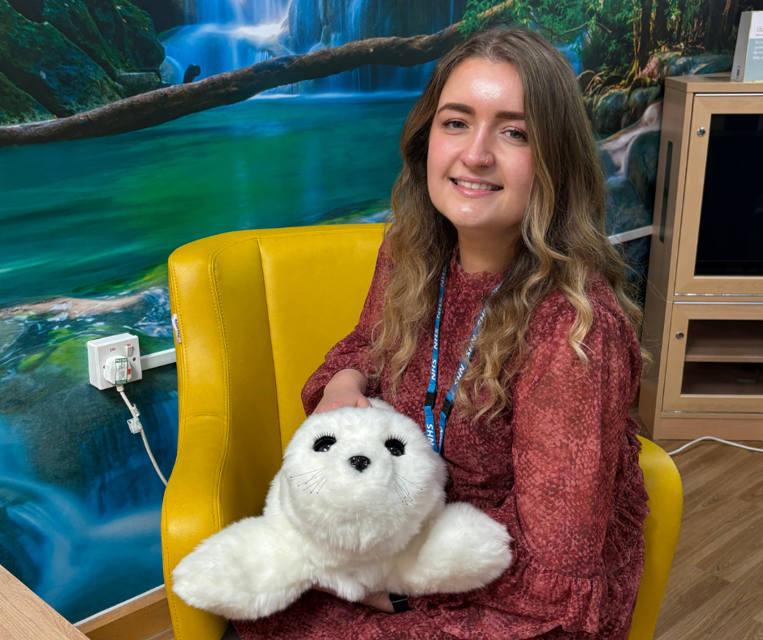
A new exploratory pilot using PARO, an interactive therapeutic robot designed to respond to touch, sound and movement, is being developed in Kent and Medway to explore whether it could improve people’s experience of mental health outpatient appointments.
Many people using mental health services can experience anxiety before or during appointments, which may affect how comfortable they feel, how easily they can communicate, and how fully they are able to take part in discussions about their care.
Kent and Medway Mental Health NHS Trust is piloting PARO as an additional, non-pharmacological way to make appointments feel more comfortable, accessible and person-centred. Therapeutic robots such as PARO have been studied in a range of health and care settings, with some evidence suggesting they may support relaxation, social interaction and emotional wellbeing.
It is understood that PARO may not be helpful or suitable for everyone, and the pilot is intended to better understand which patients may find it beneficial, as well as any limitations or concerns around its use.
This pilot will take place in learning disability services, gathering feedback from patients, carers and staff to understand whether PARO could be a helpful addition to outpatient care, and when and how it should be used.
Dr Sharna Bennett, Senior Resident Doctor at Kent and Medway Mental Health NHS Trust said:
“Many of the people we support find clinical environments overwhelming, which can make it harder for them to take part in reviews and share what matters to them. PARO offers a gentle, person-centred way to help people feel more settled and engaged, so we can focus on their needs. It supports the reasonable adjustments we already make to improve care.”
PARO is an advanced therapeutic robot designed to look and behave like a baby seal. It responds to touch, sound, light and temperature with gentle movements and soft vocalisations. It can be held or used as a calming focus during appointments, helping to support communication and reduce tension.
The AI seal project was a successful bid made to the trust’s Innovation Den, where Dr Sharna Bennett presented the idea. The Innovation Den encourages colleagues to put forward innovative ideas, explore research questions, and develop ways to improve trust services.
The technology is already used internationally, particularly in dementia care, where it has been associated with reduced anxiety and improved engagement. The trust’s pilot will test its potential in learning disability services, where the evidence base is still developing.
The project is being delivered in partnership with people who use services, their families and staff, who are helping to shape how PARO is introduced in practice. It will be used in outpatient clinics, with feedback collected from patients and clinicians. The evaluation will include appointment engagement, observed anxiety levels and patient and staff experience feedback.
If the pilot is successful, the trust will consider wider use across other settings including inpatient services for older adults, as part of its wider innovation programme.
Findings from the pilot will help inform future practice in Kent and Medway and contribute to national learning on the use of assistive technologies in learning disability care.


