New mental health scheme frees up 1,000 hospital bed days
Date added: 24 December 2025
Last updated: 24 December 2025
A mental health ward in Kent and Medway has reclaimed over 1,000 bed days a year by helping patients who frequently experience mental health crises get the support they need and avoid repeated emergency care.
By focusing on tailored community support, the project has cut waiting times and repeat hospital admissions - easing the pressure on local health services.
The High Intensity User (HIU) Project is designed to reduce repeated inpatient admissions and unplanned interventions, while improving patient experience and easing pressure on hospital services. It has already delivered impressive results: one ward saved the equivalent of three beds per day, totalling approximately 1,095 bed days a year.
Run by Kent and Medway Mental Health NHS Trust, clinicians have identified patients who have five or more episodes within 90 days. These episodes include:
• Admission to an acute mental health ward
• Admission under Section 136 - when someone is detained by police in a place of safety for mental health assessment
• Referral to the Rapid Response Team - urgent community support to help a person in crisis and avoid hospital admission
The project focuses on understanding each patient holistically, their mental health, social situation, support networks, and previous interactions with services. This enables staff to develop a personalised care pathway, tailored to prevent repeat crises and support recovery in the community. Tailored safety plans and coordinated professional meetings ensure all agencies involved are aligned.
The initiative takes a system-wide, collaborative approach, working with acute trusts, crisis houses, safe havens, police, probation, voluntary and charity organisations, and Integrated Care Board partners.
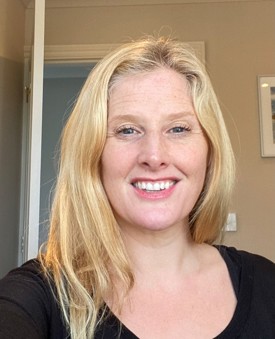
Sara Casado, Director of Psychological Therapies, for Kent and Medway Mental Health NHS Trust, who is leading the HIU project, said: “This is an important step forward in the care we deliver to local people. It is about proactive, patient-centred care - understanding the whole patient and creating care pathways that truly meet their needs. We’re still in the early stages of delivering, but early results show it is already making a real difference.”
She added: “By looking at a patient’s history, patterns, and support requirements, we can develop a personalised plan that prevents repeated crises. This is a better outcome for patients and reduces the pressure NHS mental health services are experiencing as a result of growing demand.”