Mental health patients find calm with reptile therapy in Kent and Medway
Date added: 31 March 2026
Last updated: 31 March 2026
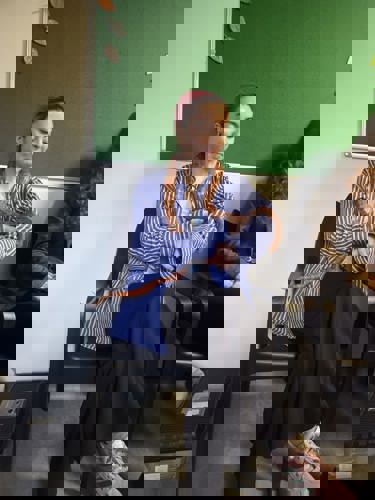
Geckos, bearded dragons, tortoises and snakes have become an unexpected part of care at Kent and Medway Mental Health NHS Trust, where a new reptile assisted therapy programme has been running on its hospital wards in Maidstone.
Kent and Medway Mental Health NHS Trust is trialling a new approach to therapy in partnership with the National Centre for Reptile Welfare (NCRW). The sessions have already supported 70 patients and are showing real benefits for mental wellbeing and engagement.
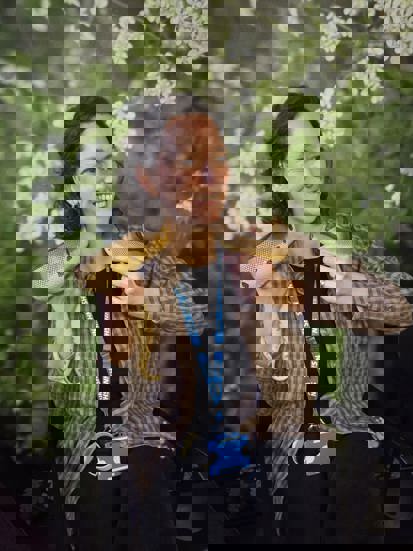
Interacting with the animals has helped to soothe anxiety, provide a valuable distraction from intrusive thoughts, and lift moods in ways that have exceeded expectations. Patients have also reported increased confidence, finding a sense of achievement in overcoming nerves and trying something new.
Vikki Buxton-Helyer, staff member leading these sessions and volunteer at the National Centre for Reptile Welfare, said: “While reptiles may not spring to mind as therapy animals, like dogs or other mammals do, there is increasing anecdotal evidence they can really help people’s mental health. Although we regularly welcome therapy dogs and other animals, we hadn’t run sessions with reptiles before. Even I was surprised by how much benefit people took from the sessions. I’m really pleased to be able to do this regularly now, with support from NCRW to make sure we put the animals’ needs first in everything we do.”
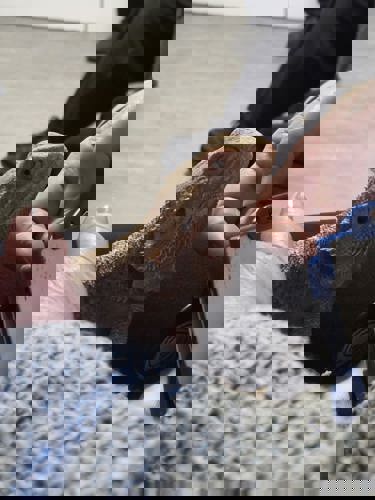
Nursing and occupational health colleagues have noticed a positive impact on patients’ recovery managing complex trauma, Post-Traumatic Stress Disorder (PTSD), and Emotionally Unstable Personality Disorder (EUPD). For people experiencing suicidality or self-harming tendencies, reptiles have often provided a rare sense of respite.
Patients shared positive reflections on their experiences during the sessions:
One patient said: “I can’t believe how calming this is.”
Another reflected: “I totally lost myself in the session.”
One participant shared: “I didn’t expect to like this, but it’s been such a privilege to meet these animals.”
There is some evidence to support the ‘scale factor.’ The Complementary Medical Association (2025) highlights several reasons reptile therapy can be particularly effective: reptiles move slowly and deliberately, which many find grounding; holding a reptile offers a sensory ‘reset’ that helps patients stay present; reptiles provide a quiet, non-judgemental presence; and people with fur allergies can participate fully in hands-on therapy.
Graham Blackman, Acute Deputy Service Director for Kent and Medway Mental Health NHS Trust said: “I’ve seen patients who are usually anxious or withdrawn become engaged and relaxed during the sessions. Even a few minutes with a snake, gecko or tortoise can make a real difference to their day.”
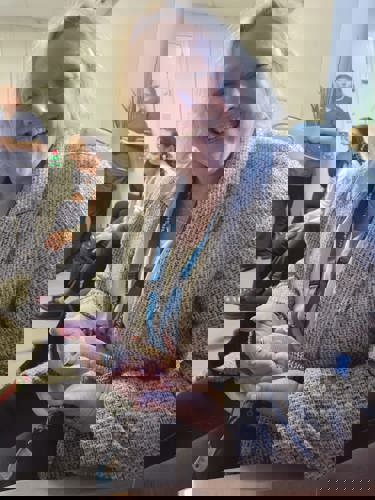
One patient said: “Meeting these reptiles was unexpected, but it really helped me feel calmer. I even surprised myself by holding the bearded dragon, it made me realise I can do things I didn’t think I could.”
The team is now launching a research project to explore how reptile therapy specifically supports patients navigating trauma and self-harm, proud that trying something a little different is helping people so much.