Kent and Medway research leading the way in transforming dementia diagnosis and care
Date added: 18 May 2026
Last updated: 18 May 2026
People across Kent and Medway are set to benefit from faster, more accessible dementia diagnosis, as innovative new research is announced.
This Dementia Action Week, Kent and Medway Mental Health NHS Trust is highlighting 3 new research studies looking to improve dementia diagnosis, care and support. These studies are shaping future services while giving local people access to innovative approaches now.
ADAPT, led by University College London is a national Alzheimer’s disease trial within the Blood Biomarker Challenge, which offers some patients attending trust memory clinics a blood test for Alzheimer’s disease.
Until recently, specialist brain scans or spinal fluid tests were the only way to diagnose Alzheimer’s disease with certainty. Currently, these tests are being accessed by fewer than 2% of people seen in UK memory clinics. ADAPT explores whether a simple blood test could help diagnose Alzheimer’s disease earlier and more accurately.
Jo Rodda, Consultant in Older Adult Psychiatry at Kent and Medway Mental Health NHS Trust, said:
“As the first study of its kind in Kent memory services, ADAPT is an important step towards bringing earlier, fairer and more accurate dementia diagnosis closer to local communities.”
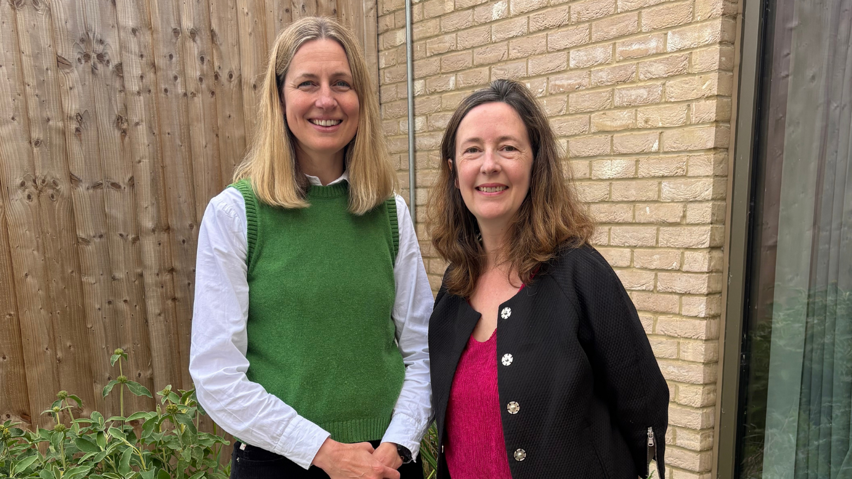
David Royston-Lee, husband to Maureen, who lives well with Alzheimer’s said: “We had a number of assessments that were not conclusive. Having a blood test as well would probably have saved us from a period of ‘not knowing’ which was hard on both of us. That is why we are part of the ADAPT research group, we want people to get their diagnosis as quickly as possible”
Maureen shared: “I really like the idea of being able to help people going through this, so being a part of the ADAPT research group is an important thing to do.”

The GRACE study, which stands for goal directed, accessible, equitable, evidence based, post diagnostic care, is another innovative programme designed to improve outcomes for people who live with dementia in the area.
Led by Wolfson Institute of Population Health researchers Professor Claudia Cooper and Dr Jessica Budgett, in partnership with Kent and Medway Medical School, Kent and Medway ICB and Queen Mary University of London, the research will ensure that good quality, evidence-based care is available routinely for people living with dementia in the UK, starting in areas with the highest needs.
The GRACE study aims to make dementia support easier to access and more personalised for families, especially those who experience health inequalities and do not have equal access to services. GRACE supports people living with dementia and carers to identify the goals that matter most to them and access the right help at the right time.
Professor Claudia Cooper said: “This study is about making sure everyone has fair access to high-quality dementia care. It will help us better understand what works and how we can improve support for people from all backgrounds.”
As a result of the partnership work between Kent and Medway Mental Health NHS Trust, Kent and Medway Medical School and Canterbury Christ Church University, the trust now owns 2 research-funded ultra-low-field MRI scanners, an innovative portable technology that means that brain scans can be taken outside traditional hospital scanning departments, in communities that are easier for people to access.
More than 100 participants have taken part in scanning studies so far. The scanners will next be used as part of the Kent and Medway Brain Health Clinic research study, testing whether memory assessment can be faster and more accessible by combining ultra-low-field MRI, computerised memory testing, questionnaires and, where appropriate, Alzheimer’s disease blood biomarkers.
Participants will also be offered an appointment to support them to optimise their overall brain health.
Professor Sukhi Shergill, Director of Research at Kent and Medway Mental Health NHS Trust, said: “Research and innovation are changing dementia care in Kent. By working with partners across the county, taking part in national studies and developing research focused on what matters to local communities, we are making sure that patients benefit from the latest advances now and in the future.”
Together, these projects are improving how dementia is diagnosed, treated and supported in Kent, while helping shape care across the NHS.


