
Embedding occupational therapy in GP practices is cutting demand and building patient trust
Date added: 10 April 2026
Last updated: 10 April 2026
A 45% reduction in GP appointments and a 57% drop in emergency department visits have been achieved after Kent and Medway Mental Health NHS Trust integrated an occupational therapist into primary care multidisciplinary teams supporting a group of 10 local GP surgeries. In the 3 months following support, patients also reported a nearly 25% increase in wellbeing scores compared with the 3 months prior.
An occupational therapist working across GP practices is improving mental health outcomes, reducing pressure on primary and urgent care services, and helping patients access support in a setting they already know and trust. The findings demonstrate how embedding occupational therapy in primary care can enhance patient wellbeing while supporting more sustainable use of NHS services.
The role is funded through the Additional Roles Reimbursement Scheme (ARRS), an NHS workforce initiative that supports GP practices to introduce specialist clinicians into their teams, allowing patients to access practical mental health support closer to home.
The occupational therapist role supports people who may not meet thresholds for specialist mental health services but are struggling with daily life. This includes people with anxiety or depression, older adults with complex needs, and those whose long-term physical conditions affect mental wellbeing. On average, patients needed 2 fewer GP appointments and one fewer emergency visit after completing support.
Julie Kirby, Acting Chief Nurse for Kent and Medway Mental Health NHS Trust, said:
“Services are under real pressure, and we need to think differently to support patients effectively. Embedding occupational therapy across GP practices helps people get the right care sooner, in a place they already trust. This approach improves outcomes, reduces pressure on other services, and shows how working together and innovating can deliver better, joined-up care.”
Occupational therapists focus on practical, person-centred support such as daily routines, confidence, self-management and connecting people with community resources. This helps stabilise mental health and reduces repeat contact with GP practices.
One patient, “Susie”, had been visiting her GP regularly due to anxiety and felt her situation was not improving. After receiving support from an occupational therapist, including psychoeducation, self-management techniques, social prescribing and a medication review, her wellbeing scores improved by 42%.
Louise Nixon, Operational Team Manager for Kent and Medway Mental Health NHS Trust, said:
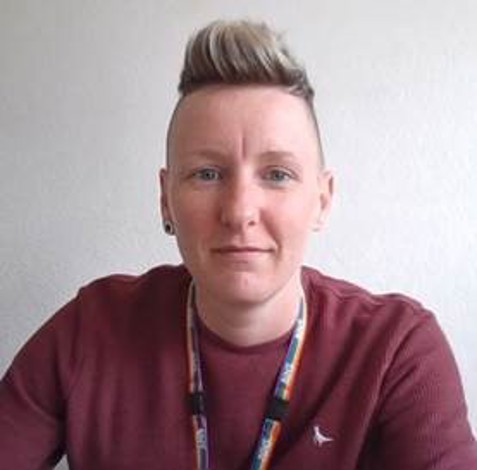
“Working alongside GP teams helps us build relationships and trust with patients. We can take time to understand what is affecting their daily life and give them the skills to manage it. These results show the value of having skilled clinicians in primary care to prevent problems from escalating.”
Patient feedback highlights the impact of receiving support in a familiar environment, with one person describing their occupational therapist as “reassuring, non-judgemental, and helping me feel better every time I came in.”


