Co-designed digital changes improve early planning of reasonable adjustments
Date added: 30 January 2026
Last updated: 30 January 2026
A new digital approach is improving care for autistic people and people with a learning disability in Kent and Medway. By capturing key information early and sharing it consistently, the approach reduces repeated questioning, strengthens care planning and supports safer, more timely discharge.
Kent and Medway Mental Health NHS Trust identified that information about autism, learning disabilities and reasonable adjustments needed by patients was not always clearly flagged across its systems, which impacted the experience of patients and resulted in delays to discharge.
George Matuska, Lead for Learning Disability and Autism at Kent and Medway Mental Health NHS Trust, said: “From listening to autistic people and people with learning disabilities, we know that having to repeat the same information multiple times is distressing and impacts the level of care they experience.
“By capturing this information early and making it visible to everyone involved in a person’s care, we can plan reasonable adjustments properly rather than reacting later. This is incredibly important, as it improves the care we provide to patients and helps staff better understand a person’s needs from the outset, supporting more proactive, personalised mental health care.”
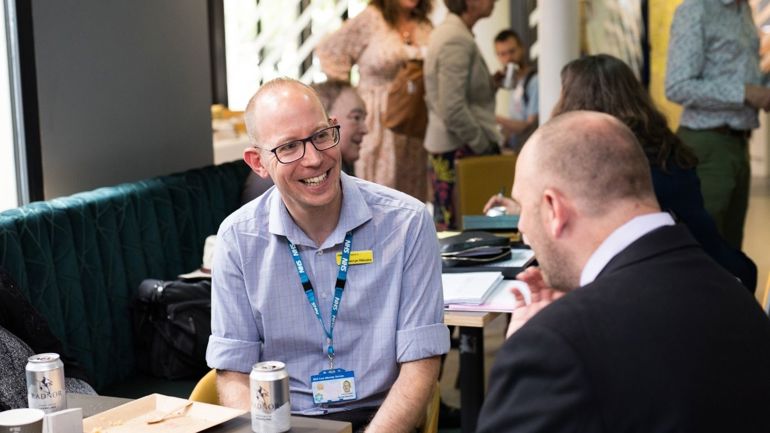
Working closely with clinicians and people with lived experience, the trust redesigned how this information is recorded and used. People with lived experience helped identify what information matters most to them, how it should be described and when it should be collected. Their input shaped the design of new data fields and clear flagging processes, ensuring the system reflects real experiences and practical needs.
These processes are now embedded at first contact and maintained throughout the care pathway, ensuring information is captured early, recorded consistently and available to all teams involved in a person’s care.
Within the electronic patient record, a single, co-designed space now brings together information about autism, learning disabilities and reasonable adjustments that a patient may need. This reduces duplication for staff and improves continuity, making it easier for teams to understand and respond to individual needs wherever a person is seen.
Patients can now share key information about themselves – including whether they are autistic, have a learning disability or have communication preferences and need reasonable adjustments, through a secure online portal when they have their first appointment.
The new approach also provides reliable, real-time data, replacing retrospective audits with a live view of activity. This allows teams to see where people are in the system, understand outcomes and target improvements where pressures or gaps exist.
A lived experience partner said:
“Not having to explain the same things again and again makes care feel calmer and more respectful. It helps staff understand you as a person, not just a diagnosis.”
This digital infrastructure underpins a wider trust-wide programme to improve outcomes for autistic people and people with a learning disability, supporting national expectations on reasonable adjustment digital flags and helping to reduce inequalities in mental health care.


